Table of Contents
ToggleIndoor plants do more than sit in corners looking pretty, they clean the air, reduce stress, and add life to spaces that otherwise feel like sterile boxes. Whether someone’s trying to fill an empty apartment or just wants something green that won’t die in two weeks, choosing the right plant matters. This guide covers the most reliable indoor plants available in 2026, from low-maintenance survivors to flowering showstoppers. No fluff, no Pinterest inspiration boards, just practical advice on what works, what doesn’t, and how to keep things alive.
Key Takeaways
- Indoor plants purify air by absorbing volatile organic compounds and naturally regulate humidity, reducing respiratory irritation and static electricity without mechanical devices.
- Low-maintenance indoor plants like pothos, snake plants, and ZZ plants are ideal for beginners because they tolerate neglect, inconsistent watering, and low light conditions.
- Overwatering is the leading cause of plant failure; the best practice is to water only when soil is dry 1-2 inches deep and ensure all pots have drainage holes.
- Flowering indoor plants such as peace lilies, African violets, and orchids require slightly more attention than foliage varieties but reward effort with color, fragrance, and year-round blooms.
- Pet owners should prioritize pet-friendly indoor plants like Boston ferns, areca palms, and peperomia varieties, which are completely non-toxic if ingested by cats or dogs.
- Large statement indoor plants such as monstera and rubber plants need bright indirect light, proper support structures, and should be rotated regularly to prevent lopsided growth and maintain visual appeal.
Why Indoor Plants Are Essential for Every Home
Indoor plants offer measurable benefits beyond aesthetics. Studies consistently show they improve air quality by absorbing volatile organic compounds (VOCs) like formaldehyde and benzene, common off-gassing culprits from furniture, paint, and flooring. A single air-purifying plant can make a noticeable difference in rooms with poor ventilation.
They also regulate humidity naturally. Plants release moisture through transpiration, which helps in dry climates or homes with forced-air heating. This can reduce respiratory irritation and static electricity without running a humidifier.
Beyond function, plants soften hard surfaces and break up visual monotony. A room with furniture, drywall, and nothing else feels unfinished. Greenery adds texture and organic movement that artificial decor can’t replicate. Plus, caring for something living, even a low-effort succulent, gives people a tangible routine that’s oddly grounding.
For renters or anyone who can’t make permanent changes, plants are the easiest way to personalize a space. No nails, no paint, no landlord approval needed.
Low-Maintenance Indoor Plants Perfect for Beginners
New plant owners need species that tolerate neglect and inconsistent conditions. These are the workhorses that survive low light, sporadic watering, and average indoor humidity.
Pothos (Epipremnum aureum) is nearly indestructible. It thrives in indirect light and only needs water when the soil dries out completely. Trailing vines can grow several feet long, making it ideal for shelves or hanging planters. Trim it back anytime, cuttings root easily in water.
Snake Plant (Sansevieria trifasciata) tolerates extreme neglect. It handles low light, dry air, and infrequent watering (once every 2-3 weeks in most conditions). The upright, architectural leaves work in modern or minimalist spaces. Just don’t overwater, root rot is the only real threat.
ZZ Plant (Zamioculcas zamiifolia) stores water in thick rhizomes underground, so it can go weeks without attention. It grows slowly but consistently in medium to low light. Wipe dust off the glossy leaves occasionally to keep photosynthesis efficient.
Spider Plant (Chlorophytum comosum) produces offshoots (spiderettes) that dangle from the mother plant, creating a cascading effect. It adapts to most light conditions and recovers quickly from underwatering. For those interested in expanding their collection, learning where to buy house plants ensures access to healthy starter specimens.
These plants are available at most nurseries and big-box stores. Avoid impulse buys from grocery store displays, those plants are often stressed from poor lighting and overwatering.
Popular Flowering Indoor Plants That Thrive Indoors
Flowering plants require slightly more attention than foliage varieties, but they reward effort with color and fragrance.
Peace Lily (Spathiphyllum spp.) produces white blooms intermittently throughout the year. It prefers low to medium light and wilts dramatically when thirsty, but bounces back fast after watering. Keep it away from cats and dogs: it’s toxic if ingested.
African Violet (Saintpaulia spp.) blooms reliably under consistent conditions: bright indirect light, even moisture, and moderate humidity. Use room-temperature water and avoid wetting the leaves to prevent spotting. Compact growth makes it suitable for windowsills or small tables.
Orchids (Phalaenopsis spp.), specifically moth orchids, are easier than their reputation suggests. They bloom for months at a time and rebloom annually with proper care. Water once a week by soaking the roots for 10-15 minutes, then draining completely. They prefer bright indirect light and good airflow.
Anthurium (Anthurium andraeanum) produces glossy, heart-shaped spathes (not true flowers) in red, pink, or white. It needs bright indirect light and consistent moisture. According to research on easy-care houseplants, anthuriums are among the most forgiving flowering varieties for indoor environments.
Flowering plants benefit from diluted liquid fertilizer every 4-6 weeks during active growth. Skip fertilizing during winter dormancy unless the plant continues blooming.
Best Large Indoor Plants for Statement Spaces
Large plants fill vertical space and anchor furniture arrangements. They’re especially useful in rooms with high ceilings or open floor plans.
Fiddle Leaf Fig (Ficus lyrata) remains popular even though being somewhat finicky. It needs bright indirect light, consistent watering (when the top 1-2 inches of soil dry out), and stable temperatures. Rotate the pot every few weeks to prevent lopsided growth. Expect some leaf drop when moving it, figs hate change.
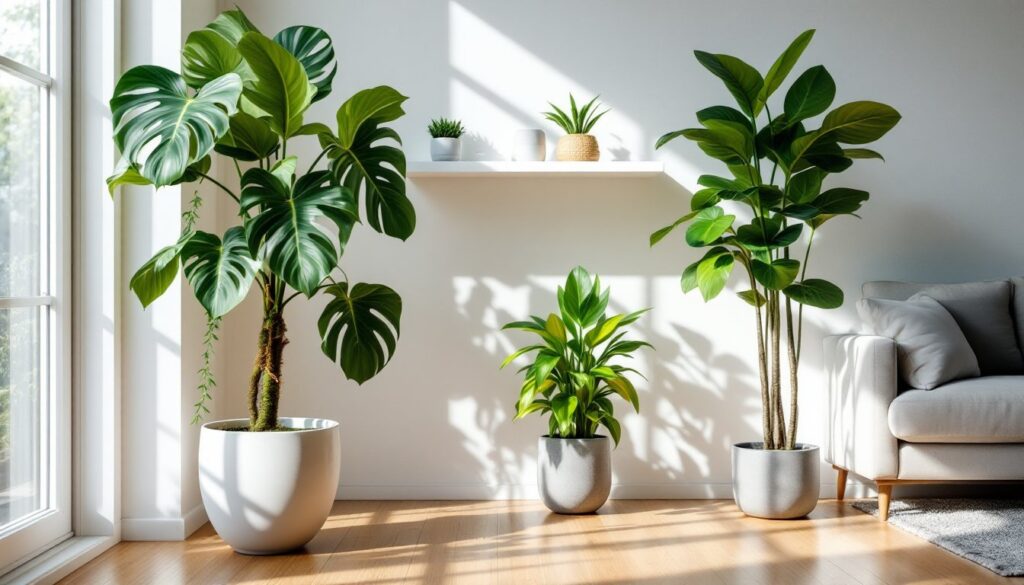
Monstera Deliciosa grows large, fenestrated leaves that create dramatic silhouettes. It tolerates medium light but grows faster in brighter conditions. Provide a moss pole or trellis for support as it matures. Wipe leaves regularly to remove dust.
Rubber Plant (Ficus elastica) has thick, waxy leaves in deep green or variegated patterns. It’s more forgiving than fiddle leaf figs and handles lower light. Prune the top to encourage bushier growth, or let it grow tall and tree-like.
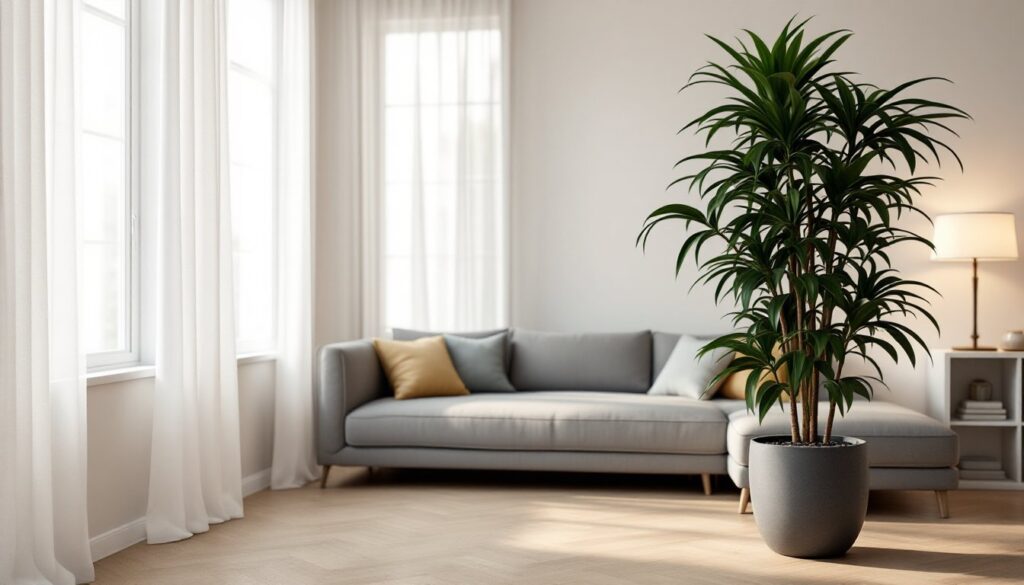
Dracaena (Dracaena marginata or Dracaena fragrans) offers height without taking up much floor space. The narrow trunks and spiky foliage work well in corners. Many cool house plants in the Dracaena family tolerate low light and dry air, making them office favorites.
Large plants require pots with drainage holes and saucers to catch runoff. Use a dolly or furniture sliders to move heavy pots for cleaning or rearranging, lifting risks back injury and pot breakage.
Pet-Friendly Indoor Plants Safe for Cats and Dogs
Many popular houseplants are toxic to pets, so owners need to choose carefully. These options are non-toxic and safe if chewed or ingested.
Boston Fern (Nephrolepis exaltata) thrives in high humidity and indirect light. It’s completely pet-safe and adds a lush, feathery texture. Mist regularly or place the pot on a pebble tray filled with water to maintain humidity.
Areca Palm (Dypsis lutescens) brings a tropical feel without the toxicity risk. It prefers bright indirect light and consistent moisture. The feathery fronds can reach 6-7 feet indoors, making it a good large plant alternative to ficus or dracaena.
Parlor Palm (Chamaedorea elegans) stays compact (2-4 feet) and handles low light better than most palms. It’s safe for curious pets and easy to care for. Water when the top inch of soil dries out.
Peperomia (Peperomia spp.) comes in dozens of varieties with different leaf shapes, colors, and textures. All are pet-safe and prefer medium light with minimal watering. They’re slow growers, so repotting is infrequent.
For households with particularly destructive pets, owners should research house plants poisonous to cats to avoid accidental exposure. Even non-toxic plants can cause mild stomach upset if eaten in large quantities, so placement matters.
Consider hanging planters or wall-mounted shelves to keep plants out of reach while still enjoying their presence.
Essential Care Tips for Keeping Your Indoor Plants Healthy
Most plant failures come from overwatering, poor drainage, or mismatched light conditions. Following a few core principles prevents 90% of problems.
Watering: Stick a finger 1-2 inches into the soil. If it’s dry, water thoroughly until it drains out the bottom. Dump the saucer afterward, standing water causes root rot. Most indoor plants prefer to dry out slightly between waterings. Cacti and succulents need even less: cactus house plants typically require water every 2-4 weeks depending on season and humidity.
Light: Match the plant to the available light. “Bright indirect light” means near a window but not in direct sun. “Low light” means at least 4-6 feet from a window or in a north-facing room. Plants in insufficient light stretch toward the source and grow leggy. Rotate pots regularly for even growth. Homeowners with dim spaces should consider species bred for low-light conditions.
Soil & Drainage: Use potting mix, not garden soil. Potting mix drains better and resists compaction. All pots need drainage holes, decorative cache pots without holes require an inner plastic nursery pot. According to expert care guides, well-draining soil is the single most important factor in preventing root disease.
Humidity: Most tropical plants prefer 40-60% relative humidity. Dry homes (especially during winter heating) benefit from humidifiers, pebble trays, or grouping plants together. Misting provides temporary relief but doesn’t significantly raise ambient humidity.
Fertilizing: Use a balanced liquid fertilizer (like 10-10-10 or 20-20-20) diluted to half strength. Feed every 4-6 weeks during spring and summer, then pause or reduce frequency in fall and winter when growth slows.
Repotting: Move plants up one pot size (1-2 inches larger in diameter) when roots circle the bottom or grow out of drainage holes. Spring is the best time to repot. Avoid repotting immediately after purchase, let plants acclimate for a few weeks first.
Pest Management: Watch for common pests like spider mites, aphids, mealybugs, and fungus gnats. Inspect new plants before bringing them inside. Quarantine any infested plants and treat with insecticidal soap or neem oil according to package directions. Fungus gnats thrive in overly moist soil, let the top inch dry out between waterings.
Safety Gear: Wear gloves when handling plants with irritating sap (like philodendron or dieffenbachia). Wash hands after touching soil or fertilizer. Use a dust mask when mixing potting soil to avoid inhaling spores or dust particles.
Additional resources are available on sites like The Spruce, which offers detailed care guides for hundreds of species. Consistency beats perfection, plants adapt to routines, even imperfect ones.
Conclusion
Indoor plants aren’t complicated, they just need the right match between species and environment. Start with forgiving varieties like pothos or snake plants, learn their rhythms, then expand. Overwatering kills more plants than anything else, so when in doubt, wait another day. With a bit of attention and the basics covered, even beginners can build a thriving indoor collection that actually improves the space instead of just decorating it.