Table of Contents
ToggleForget those sad little pothos trailing from a bookshelf. Extra large indoor plants are having a moment, and for good reason. These giants command attention, fill vertical space, and bring the outdoors in without requiring a full renovation. Whether someone’s working with a bright corner that’s been awkwardly empty or trying to divide an open floor plan, statement plants offer a practical, living solution. They’re not just decor: they’re structure. And in 2026, homeowners are swapping out accent walls for towering fiddle leaf figs and sprawling birds of paradise.
Key Takeaways
- Extra large indoor plants (4+ feet tall) function as living architecture, solving design problems like filling vertical space and creating soft room dividers while improving air quality and humidity.
- Popular statement species like fiddle leaf fig, monstera deliciosa, and bird of paradise thrive in bright, indirect light, but low-maintenance options like snake plant and rubber tree work well for less-lit spaces.
- Successful care of extra large indoor plants depends on consistent watering (checking soil 2-3 inches deep), proper drainage, bright indirect light, and seasonal feeding—not fixed weekly schedules.
- Large plants in ceramic or concrete pots can exceed 50-75 pounds, so placement near load-bearing walls and proper floor assessment is critical, especially in upper-floor apartments or older homes.
- Strategic placement in corners, entryways, and open-concept layouts maximizes visual impact while ensuring air circulation and pest management through monthly leaf inspections.
- Investment in extra large indoor plants ($80-$300 per statement piece) provides growing, seasonal value comparable to accent furniture while requiring quality potting mix, drainage trays, and potential structural support like moss poles.
Why Choose Extra Large Indoor Plants for Your Space
Scale matters in interior design. An extra large plant, typically anything over 4 feet tall or with a canopy spread of 3+ feet, instantly makes a room feel intentional. It’s the difference between “I put some stuff here” and “I designed this space.”
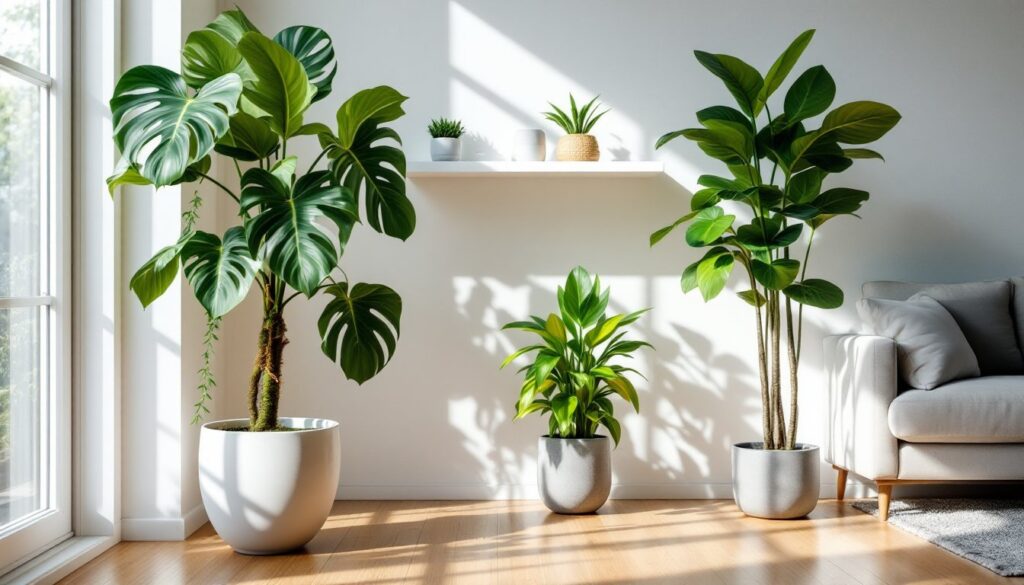
They’re also problem solvers. Got a corner that swallows furniture? A tall dracaena or rubber tree fills vertical space without cluttering the floor. Open-concept layout feeling too exposed? A monstera deliciosa or split-leaf philodendron acts as a soft divider. Unlike drywall or furniture, plants breathe, literally, they improve air quality and add humidity in dry climates.
There’s also the cost factor. A single statement plant in a 14- to 20-inch pot typically runs between $80 and $300, depending on species and maturity. That’s competitive with upholstered accent chairs or wall art, but it grows, changes seasonally, and can be propagated. If someone’s treating a large plant as furniture, which they should, it’s worth budgeting for quality potting mix, a drainage tray, and possibly a dolly for repositioning during cleanings or seasonal light shifts.
One honest note: big plants aren’t low-commitment. They need space to grow, consistent watering schedules, and in some cases, structural support like moss poles or stakes. If someone’s renting, they’ll want to confirm the floor can handle the weight, a mature fiddle leaf fig in a ceramic pot can easily exceed 50 pounds.
Best Extra Large Indoor Plants for Homeowners
Low-Maintenance Giant Plants
Not everyone wants to fuss with misting schedules or soil pH. These workhorses tolerate neglect better than most.
Snake plant (Sansevieria trifasciata): The “Black Robusta” or “Laurentii” varieties can reach 4 to 6 feet in height. They thrive in low to bright indirect light, tolerate dry air, and only need watering every 2 to 3 weeks. Their upright growth habit fits narrow spaces, hallways, entryways, or flanking a sofa. Keep them away from cold drafts and avoid overwatering: root rot is the only real threat.
Rubber tree (Ficus elastica): Burgundy or variegated cultivars add color without flowers. Mature plants can hit 8 feet indoors if they’re happy. They prefer bright, indirect light but adapt to medium light with slower growth. Water when the top 2 inches of soil are dry. Wipe leaves monthly with a damp cloth to remove dust and improve photosynthesis. If the plant starts dropping leaves, it’s usually a watering inconsistency issue, too much or too little.
Dracaena marginata (Dragon tree): Thin, spiky foliage on woody stems gives an architectural look. They grow slowly to 6 feet or more, tolerate low light, and are forgiving with watering. They’re also safe around pets compared to some other large options, though it’s still best to keep them out of reach.
For more resilient greenery that doubles as natural air filters, many air purifying options also come in larger sizes.
Statement Plants for Bright Spaces
If there’s a south- or west-facing window with room to spare, these drama queens will reward that light.
Fiddle leaf fig (Ficus lyrata): The Instagram darling for a reason. Those broad, violin-shaped leaves can span 12 to 15 inches across. They need bright, indirect light and consistent moisture, not soggy, not bone-dry. Rotate the plant 90 degrees every week to encourage even growth. Expect some leaf drop when it’s first brought home: they’re sensitive to environmental changes. Budget for a bamboo stake or moss pole if the trunk starts leaning.
Bird of paradise (Strelitzia nicolai or reginae): Bold, paddle-shaped leaves that can reach 5 to 6 feet tall indoors. They crave sun, at least 4 to 6 hours of bright light daily. Water thoroughly when the top inch of soil dries out, and mist occasionally if humidity drops below 50%. The white variety (nicolai) grows taller: the orange-flowered reginae is more compact but still dramatic. According to guides on large indoor plants, these are among the most popular statement pieces for high-ceiling rooms.
Monstera deliciosa (Swiss cheese plant): Fast-growing, forgiving, and those iconic fenestrations (leaf splits) only get bigger with maturity. They’ll climb if given a moss pole or sprawl if left to their own devices. Bright, indirect light is ideal, but they tolerate medium light with slower growth. Water when the top 2 to 3 inches of soil dry out. Tip: aerial roots are normal, tuck them into the soil or let them hang.
For sourcing these statement varieties, knowing where to buy from reputable nurseries ensures healthier root systems and better acclimation to home conditions.
How to Care for Extra Large Indoor Plants
Big plants amplify care mistakes. Here’s what actually matters.
Watering: Forget the “once a week” myth. Pot size, humidity, and season all affect frequency. Stick a finger 2 to 3 inches into the soil, if it’s dry, water until it drains from the bottom. Always use pots with drainage holes. For plants in 14-inch pots or larger, expect to use 1 to 2 gallons of water per session. Consider a watering can with a long spout to reach the soil without soaking leaves.
Light: “Bright, indirect light” means within 3 to 5 feet of an unobstructed window, but not in the direct beam. Use sheer curtains if needed. Rotate plants every week or two to prevent lopsided growth. If leaves start stretching toward the window or new growth looks pale, it’s a light issue.
Soil and repotting: Use a well-draining mix, standard potting soil amended with 20-30% perlite or orchid bark works for most large tropicals. Repot every 2 to 3 years or when roots circle the pot’s bottom. Go up only 2 inches in pot diameter: oversizing causes soggy soil and root rot.
Feeding: During the growing season (spring through early fall), feed with a balanced liquid fertilizer (like 10-10-10 or 20-20-20) diluted to half strength every 4 to 6 weeks. Skip fertilizing in winter when growth slows.
Pest management: Scale, spider mites, and mealybugs love big plants. Inspect leaves (tops and undersides) monthly. If pests appear, isolate the plant and treat with insecticidal soap or neem oil. Wipe down leaves afterward to prevent buildup.
Pruning: Remove dead or yellowing leaves at the base with clean pruning shears. For plants like monstera or rubber trees, trim leggy growth in spring to encourage bushier shapes. Always wear gloves when handling plants with irritating sap (philodendrons, ficus species).
Physical support is often overlooked. For climbing plants, install a moss pole or trellis at planting time, retro-fitting is messy. Secure stems with soft plant ties, not wire or string that can cut into growth.
Styling Tips: Where to Place Your Extra Large Plants
Placement isn’t just about aesthetics, it’s structural.
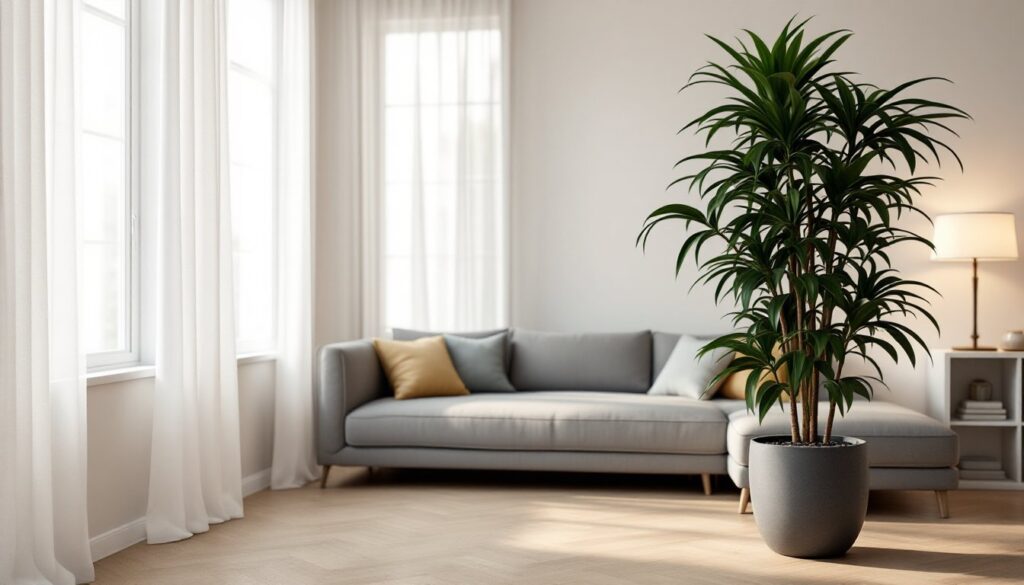
Living room corners: The classic move. A tall plant softens 90-degree angles and draws the eye upward. Pair with a low-profile pot stand (12 to 18 inches high) to add elevation without blocking sightlines. Make sure it’s at least 12 inches from walls to allow air circulation and prevent mold on drywall.
Room dividers: In open-concept homes, a row of large plants (bird of paradise, dracaena, or bamboo palm) creates privacy without permanent construction. Space pots 2 to 3 feet apart for a screen effect. Use matching cachepots for visual cohesion.
Entryways: A statement plant immediately sets tone. Choose something hardy like a snake plant or ZZ plant that can handle fluctuating temps from door traffic. Keep the pot on a waterproof tray, wet floors and tile don’t mix.
Dining areas: A large plant near (not on) the dining table adds life without crowding place settings. Avoid anything with sticky sap or heavy fragrance that might interfere with meals. Rubber trees and palms are solid choices here.
Bedroom considerations: Large plants release oxygen during the day but respire (release CO₂) at night. For bedrooms, snake plants are an exception, they release oxygen at night, making them a practical bedside option. Keep plants away from air vents, radiators, and drafty windows.
Weight and floor load: Mature plants in large ceramic or concrete pots can exceed 75 pounds. On upper floors or older homes, distribute weight over floor joists, not just anywhere. If unsure, place heavy pots near load-bearing walls. Use furniture coasters or pot feet to protect hardwood and allow drainage airflow.
Outdoor-to-indoor transition: If bringing in a plant from a patio or balcony (common in mild climates), quarantine it for 2 weeks in a separate room. Check for pests and acclimate it gradually to lower indoor light.
For homeowners considering greenery at entry points, similar principles apply to plants for curb appeal, scale and structure matter both indoors and out.
Lighting adjustments: If natural light is limited, supplement with full-spectrum LED grow lights. Position them 12 to 24 inches above the canopy and run for 12 to 14 hours daily. This isn’t a crutch for no-light corners, but it extends options in north-facing rooms.
According to experts at sources like Better Homes & Gardens, large houseplants work best when they’re treated as permanent fixtures, not afterthoughts, plan around them like you would a bookshelf or media console.
Conclusion
Extra large indoor plants aren’t just decor, they’re living architecture. With the right species, consistent care, and thoughtful placement, they solve design problems, improve air quality, and add character that no throw pillow ever will. Start with one statement piece, learn its rhythms, then build from there.