Table of Contents
ToggleBringing greenery indoors shouldn’t come with a trip to the emergency vet. Plenty of houseplants are beautiful, low-maintenance, and completely safe for dogs, but just as many common varieties can cause anything from drooling to serious organ damage if chewed. If you’ve got a curious pup who treats every new leaf like a chew toy, selecting the right plants isn’t just about aesthetics, it’s a safety call. This guide covers which houseplants are genuinely dog-friendly, which ones to toss or avoid, and how to set up your indoor garden so both your plants and your four-legged buddy thrive.
Key Takeaways
- Dog-safe houseplants like spider plants, Boston ferns, and peperomia are low-maintenance alternatives that eliminate the risk of toxicity-related emergencies.
- Common toxic houseplants such as sago palm, pothos, and snake plant can cause serious symptoms ranging from oral irritation to organ damage, so it’s essential to avoid them or keep them physically out of reach.
- Elevate or hang dog-safe houseplants using macramé hangers, wall shelves, or tall plant stands to prevent curious dogs from accessing them.
- Providing dog-safe greens like wheatgrass as an alternative outlet can redirect chewing behavior and satisfy your dog’s natural curiosity.
- Before bringing any new plant home, cross-reference it with the ASPCA’s toxicity database to confirm it’s genuinely safe for dogs.
- Use pet-safe soil amendments and fertilizers, avoid cocoa mulch, and choose heavy ceramic pots over lightweight plastic to create a secure indoor garden environment.
Why Choosing Dog-Safe Houseplants Matters
Dogs explore the world with their mouths. Puppies, bored adults, and anxious chewers don’t discriminate, houseplants, furniture legs, and shoes are all fair game. The problem is that many popular houseplants contain compounds like saponins, calcium oxalates, or glycosides that can irritate a dog’s mouth, stomach, or worse.
Symptoms range from mild (drooling, pawing at the mouth, vomiting) to severe (tremors, seizures, kidney failure). Some plants cause immediate discomfort: others, like sago palm, can be fatal even in small amounts. The ASPCA maintains a database of toxic and non-toxic plants, and it’s worth cross-referencing any new greenery before bringing it home.
Even if your dog has never shown interest in plants, situations change. A new puppy, a move to a smaller space, or simple boredom can turn a previously indifferent pet into a plant nibbler. Choosing non-toxic varieties from the start eliminates guesswork and gives you one less thing to worry about when you’re out of the house.
Top Dog-Friendly Houseplants for Every Room
Easy-Care Options for Low-Maintenance Pet Owners
Spider Plant (Chlorophytum comosum): Tolerates a wide range of light conditions, from bright indirect to moderate shade. Produces arching leaves and small plantlets that dangle from runners. Safe if chewed, though some dogs develop mild digestive upset from overindulging, not toxicity, just fiber overload.
Boston Fern (Nephrolepis exaltata): Thrives in humidity and indirect light, making it ideal for bathrooms or kitchens. Requires consistent moisture, let the soil dry slightly between waterings but don’t let it fully dehydrate. Completely non-toxic and adds a lush, cascading look.
Peperomia: A diverse genus with dozens of varieties (ripple peperomia, baby rubber plant, watermelon peperomia). Compact, low-water, and forgiving. Prefers bright indirect light but adapts to lower levels. All peperomia species are dog-safe.
Parlor Palm (Chamaedorea elegans): Slow-growing, shade-tolerant, and air-purifying. Reaches 2–4 feet indoors. Needs well-draining soil and moderate watering, don’t let it sit in soggy soil. Non-toxic and adds a tropical vibe without the maintenance headaches of larger palms.
Prayer Plant (Maranta leuconeura): Named for its habit of folding leaves upward at night. Prefers medium to low indirect light and consistent moisture. Safe for dogs and visually interesting, with patterned foliage that stands out in any room.
Statement Plants That Are Safe for Dogs
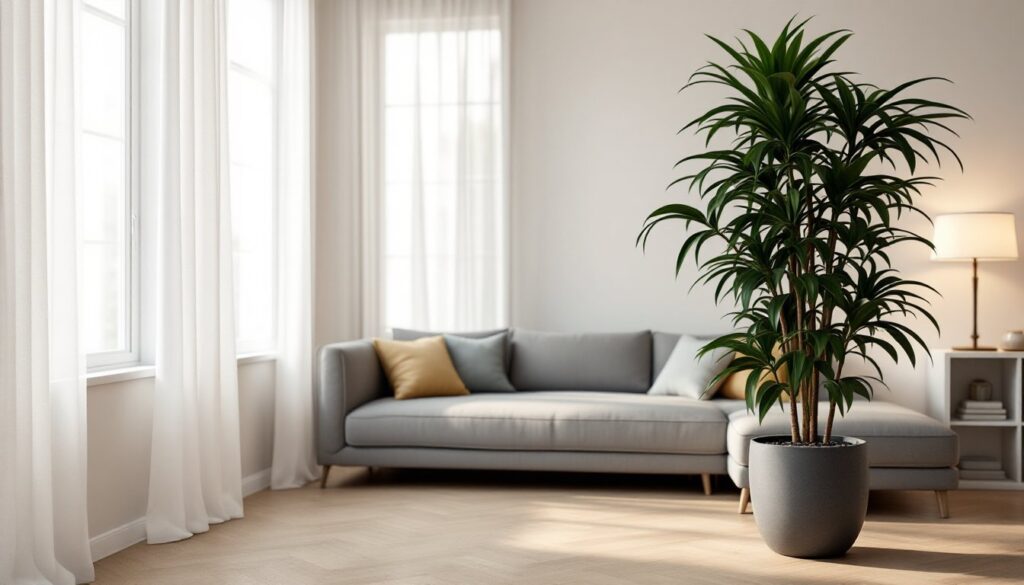
Areca Palm (Dypsis lutescens): Also called butterfly palm or golden cane palm. Grows 6–7 feet indoors with enough light and space. Needs bright, indirect light and regular watering during the growing season. Non-toxic and makes a bold vertical statement in living rooms or entryways. For larger indoor palms, humidity helps prevent brown leaf tips.
Ponytail Palm (Beaucarnea recurvata): Even though the name, it’s a succulent, not a palm. Features a bulbous trunk that stores water and long, arching leaves. Extremely drought-tolerant, water only when the soil is dry several inches down. Safe for dogs and nearly indestructible, even in lower light.
Calathea: Known for striking leaf patterns, stripes, spots, and vibrant undersides in pink or purple. Prefers indirect light and high humidity. More finicky than peperomia or spider plants, but worth it if you want a showpiece. All calathea varieties are non-toxic.
Haworthia: Small, sculptural succulents with rosette growth patterns. Safe for dogs and perfect for windowsills or desks. Requires minimal water, similar care to low-light tolerant succulents, though haworthia prefers bright indirect light over full sun.
Banana Plant (Musa): True banana plants are safe for dogs, though they need space, bright light, and consistent watering. Indoor varieties rarely fruit but provide dramatic tropical foliage. Expect heights of 5–8 feet depending on the cultivar.
Common Toxic Houseplants to Avoid
Knowing what not to bring home is just as important as choosing safe plants. These are some of the most popular houseplants that pose serious risks to dogs:
Sago Palm (Cycas revoluta): All parts are toxic, especially the seeds. Ingestion can cause vomiting, seizures, liver failure, and death. Not worth the risk, period.
Pothos (Epipremnum aureum): Ubiquitous, trailing vine with heart-shaped leaves. Contains calcium oxalates that cause oral irritation, drooling, vomiting, and difficulty swallowing. Same goes for philodendron, a close relative.
Dieffenbachia (Dumb Cane): Calcium oxalate crystals in leaves and stems cause immediate pain, swelling, and difficulty breathing if chewed. Named “dumb cane” because it can temporarily interfere with speech in humans.
ZZ Plant (Zamioculcas zamiifolia): Trendy, nearly indestructible, and toxic. Causes vomiting and diarrhea if ingested. Keep it out of reach or skip it entirely.
Snake Plant (Sansevieria): Another low-maintenance favorite that’s unfortunately toxic. Causes nausea, vomiting, and diarrhea. Severity varies with the amount consumed.
Lilies: Peace lilies, calla lilies, and true lilies (like Easter or tiger lilies) are all dangerous. While true lilies are more toxic to cats, peace lilies cause oral irritation and digestive upset in dogs. Just as houseplants poisonous to cats require careful selection, so do plants around dogs.
If you already own any of these and can’t part with them, place them in rooms your dog doesn’t access or on high shelves where they’re physically out of reach. Understand that curious dogs can jump, climb furniture, or knock things over, so “out of reach” needs to mean genuinely inaccessible.
Tips for Creating a Dog-Friendly Indoor Garden
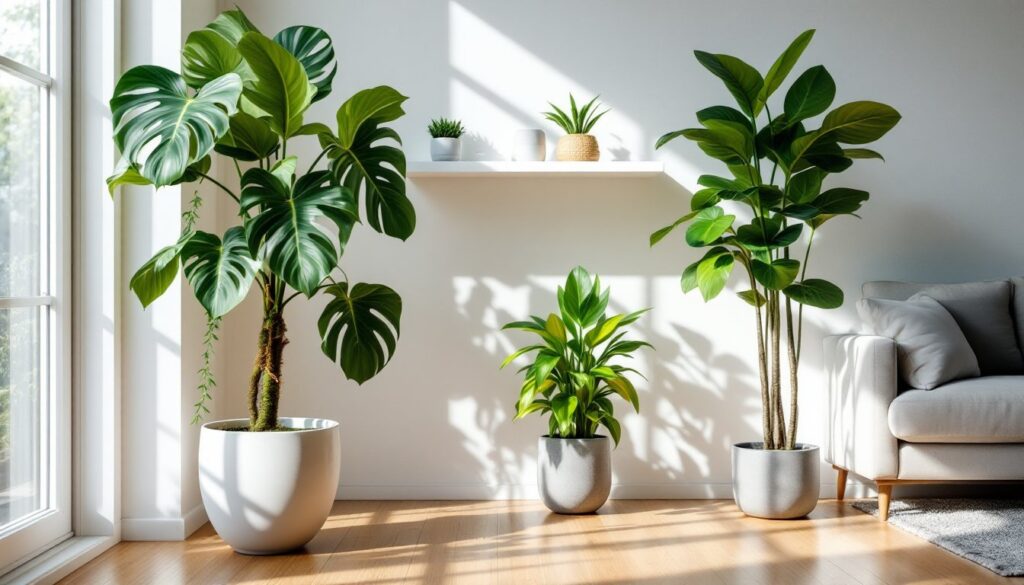
Use Elevated or Hanging Planters: Macramé hangers, wall-mounted shelves, and tall plant stands reduce the chance of a nosy dog reaching greenery. Just make sure hangers are securely anchored, falling pots are a hazard in themselves.
Designate a Pet-Free Plant Zone: If you have a spare room, office, or sunroom, keep all plants there and restrict dog access. Baby gates work well for puppies and smaller breeds.
Offer Dog-Safe Greens as an Alternative: Some dogs chew plants out of boredom or dietary curiosity. Providing wheatgrass or cat grass (yes, dogs can eat it too) gives them a safe outlet. Grow it in a shallow tray and refresh every few weeks.
Mulch with Rocks, Not Bark or Cocoa: If you use decorative top-dressing in larger pots, avoid cocoa mulch (toxic to dogs) and small bark chips (choking hazard). River rocks or pebbles are safer and help retain moisture.
Secure Pots and Planters: Heavy ceramic or terracotta pots are harder to tip than lightweight plastic. If using plastic, consider placing pots inside decorative cachepots or adding weight at the base.
Train and Supervise: Basic obedience, “leave it” and “no”, goes a long way. Reinforce boundaries when you first introduce new plants. Supervision during the first few days helps you catch and correct unwanted chewing before it becomes a habit. For additional tips on indoor plant care and decor, reliable home improvement resources can provide broader context.
Choose Soil Additives Carefully: Avoid fertilizers, pest control products, or soil amendments that aren’t pet-safe. Organic compost and worm castings are generally fine, but always check labels. If a plant needs feeding, use diluted liquid fertilizer and keep the dog away until the soil surface dries.
Rotate Plants Seasonally: If you have a yard or patio, some houseplants (like palms and ferns) benefit from spending warmer months outdoors. This reduces indoor plant density and limits opportunities for trouble. Just ensure outdoor spaces are also free of toxic landscape plants.
Know Where to Get Safe Plants: Many local nurseries and online retailers label plants as pet-safe. If buying in person, ask staff to confirm. When shopping online, reputable sellers often include toxicity info in product descriptions. Where to buy houseplants can make a difference in selection and plant health.
Conclusion
Living with dogs doesn’t mean sacrificing greenery. With a bit of research and thoughtful placement, it’s entirely possible to maintain a lush, thriving indoor garden that’s safe for every member of the household. Stick to proven non-toxic varieties, keep known hazards out of reach, and train your dog to respect plant boundaries. Your home can be both beautiful and worry-free.