Table of Contents
ToggleCreating a house of plants isn’t about tossing a few succulents on a windowsill and calling it done. It’s a deliberate approach to integrating greenery throughout every room, transforming dead corners, improving air quality, and adding living architecture to your home. Done right, an indoor garden becomes a functional design element that requires no more upkeep than vacuuming. This guide walks through plant selection, layout strategies, and care basics to help homeowners build a thriving indoor ecosystem without turning their living room into a maintenance nightmare.
Key Takeaways
- A house of plants integrates greenery across multiple rooms using varied heights, textures, and light requirements to transform dead spaces while improving air quality and reducing noise without structural work.
- Matching plants to room conditions is critical: low-light spaces suit pothos, snake plants, and ZZ plants, while humid bathrooms and kitchens thrive with Boston ferns, orchids, and peace lilies.
- Effective plant displays use vertical layering with floor-standing anchors, elevated mid-tier pieces, and hanging trailing plants in odd-numbered clusters with varied pot textures for a natural aesthetic.
- Overwatering is the leading cause of houseplant failure—check soil moisture 2 inches deep before watering and rotate plants weekly for even growth and optimal light exposure.
- Safety considerations include securing heavy wall-mounted shelves to studs and keeping toxic varieties like pothos and philodendrons away from children and pets in your house of plants.
What Is a House of Plants and Why You Need One
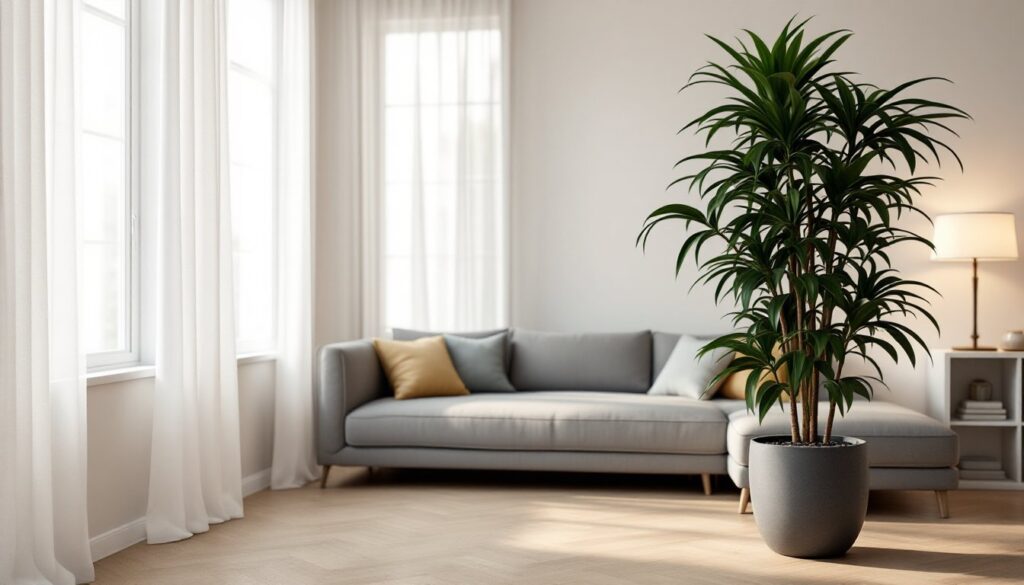
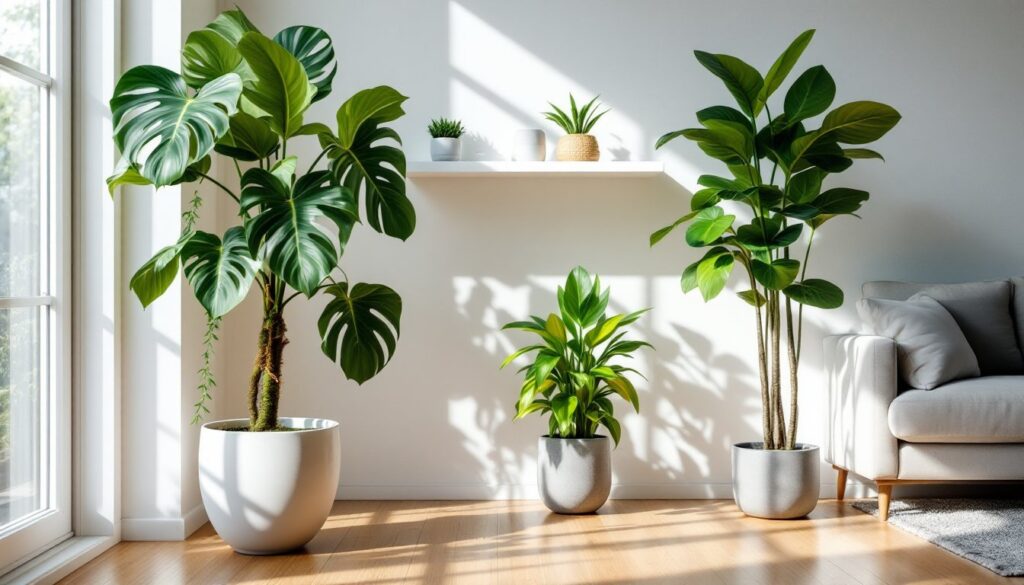
A house of plants is exactly what it sounds like: a home where vegetation isn’t an afterthought but a core design feature. Unlike a single fiddle leaf fig in the corner, this approach layers plants of varying heights, textures, and light requirements across multiple rooms. Think floor-standing palms, hanging pothos, tabletop ferns, and wall-mounted displays working together.
The practical benefits go beyond aesthetics. Studies show that indoor greenery improves air quality by absorbing carbon dioxide and releasing oxygen, though you’d need dozens of plants to meaningfully filter a whole house. More tangibly, plants increase humidity (helpful in dry climates or winter heating), dampen ambient noise, and provide a low-cost way to zone open floor plans without building walls.
From a DIY standpoint, building a house of plants requires zero structural work. No permits, no framing, no drywall dust. You’re working with containers, shelving, and hooks, all reversible changes perfect for renters or homeowners testing design ideas before committing to permanent fixtures.
Choosing the Right Plants for Every Room
Matching plants to room conditions is the difference between a thriving display and a graveyard of brown leaves. Light levels, humidity, and temperature fluctuations dictate what will survive, and what won’t.
Best Plants for Low-Light Spaces
North-facing rooms, hallways, and interior bathrooms challenge most plants, but several species tolerate dim conditions. Pothos (Epipremnum aureum) thrives in indirect light and forgives inconsistent watering. Snake plants (Sansevieria trifasciata) handle neglect and low light better than almost any houseplant, making them ideal for bedrooms or offices. ZZ plants (Zamioculcas zamiifolia) store water in their rhizomes and tolerate months of shade, perfect for corners that see no direct sun.
Cast iron plants (Aspidistra elatior) earned their name by surviving gas lamps and coal dust in Victorian parlors: modern low-light rooms are easy by comparison. For trailing greenery, philodendrons work well on shelves or hanging planters, though growth slows without brighter light. If you’re working with a particularly dark space, check out options for low-light tolerant species that don’t need constant repositioning.
Avoid common mistakes: “low light” doesn’t mean no light. Even shade-tolerant plants need ambient daylight or supplemental grow lights. A closet or windowless basement won’t work without artificial lighting. Use full-spectrum LED grow bulbs (5,000–6,500K color temperature) if natural light is absent.
High-Humidity Plants for Bathrooms and Kitchens
Rooms with steam and moisture suit tropical species that struggle in dry living areas. Boston ferns (Nephrolepis exaltata) thrive in humid bathrooms with indirect light, hang them near a shower for consistent moisture. Orchids (Phalaenopsis varieties) appreciate bathroom humidity and bloom reliably under moderate light: mount them on a shelf away from direct water spray.
Peace lilies (Spathiphyllum) tolerate low light and high humidity, making them kitchen-friendly, though they’ll wilt dramatically if neglected (they bounce back quickly after watering). Calatheas and marantas (prayer plants) need consistent moisture and humidity above 50%: bathrooms provide both without a humidifier. For kitchens, herb gardens (basil, parsley, thyme) work if there’s a south-facing window: otherwise, supplement with a small grow light.
Practical tip: Avoid plants near stovetops (heat stress and grease buildup) or above dishwashers (excessive steam can cause root rot). Use ceramic or glazed pots with drainage holes, unglazed terracotta dries too quickly in humid spaces.
Creating Your Plant Display: Design Tips and Layout Ideas
Plant placement isn’t random. Effective displays use vertical layers, varied pot materials, and strategic clustering to create visual weight without clutter.
Start with floor plants as anchors. Tall specimens like fiddle leaf figs (Ficus lyrata), rubber plants (Ficus elastica), or bird of paradise (Strelitzia reginae) work in corners or beside furniture. Use pot diameters of 10–14 inches for stability: smaller pots tip easily. Elevate mid-sized plants (pothos, monsteras, ferns) on plant stands, side tables, or shelving to fill the mid-level zone between floor and ceiling.
For trailing plants, install ceiling hooks rated for 10–15 lbs (use toggle bolts in drywall, not plastic anchors). Hang pothos, string-of-pearls, or ivy at varying heights to add depth. If you’re integrating climbing and cascading varieties, provide a trellis or moss pole to direct growth.
Grouping guidelines: Cluster plants in odd numbers (3, 5, 7) for a natural look. Vary pot textures, mix matte ceramic, woven baskets, and glazed stoneware. Avoid matching sets: they read as artificial. Keep at least 12–18 inches between large plants for air circulation: crowding invites pests and fungal issues.
Use furniture as display infrastructure. Ladder shelves, bookcases, and windowsills become plant zones with minimal effort. For renters, tension rods work as lightweight hanging systems without drilling. If designing a full home exterior-to-interior flow, carry similar foliage styles from outdoor planters to indoor displays for visual continuity.
Safety note: Avoid placing heavy pots on wall-mounted shelves unless they’re secured to studs with 3-inch screws. A 14-inch ceramic pot with soil and a mature plant can weigh 30+ lbs, bracket failure drops that onto floors, furniture, or people.
Essential Care Tips to Keep Your Indoor Garden Thriving
A house of plants requires systems, not guesswork. Establish watering schedules, monitor light, and catch problems early.
Watering: Overwatering kills more houseplants than under-watering. Check soil moisture 2 inches deep before watering, if it’s damp, wait. Most tropicals need watering when the top inch dries: succulents and cacti tolerate weeks between drinks. Use room-temperature water: cold tap water shocks roots. Bottom-watering (placing pots in a tray of water for 10–15 minutes) encourages deep root growth and prevents surface mold.
Light management: Rotate plants 90 degrees weekly to ensure even growth. If leaves yellow or drop, the plant likely needs more light. Leggy, stretched stems indicate insufficient brightness, move closer to windows or add a grow light. South-facing windows provide the most intense light: east and west offer moderate levels: north windows suit low-light species only.
Humidity control: Tropical plants thrive at 50–60% humidity. Dry homes (especially winter heating zones) benefit from ultrasonic humidifiers or pebble trays (shallow trays filled with water and pebbles, with pots resting on top). Misting is mostly cosmetic, it doesn’t raise humidity long-term. Some DIYers maintain a collection of trendy humidity-loving varieties that double as conversation pieces.
Fertilizing: Use balanced liquid fertilizer (10-10-10 or 20-20-20) diluted to half strength every 4–6 weeks during spring and summer. Stop feeding in fall and winter when growth slows. Overfertilizing causes salt buildup (white crust on soil surface), flush pots with water every few months to clear excess.
Pest prevention: Inspect plants monthly for spider mites (fine webbing), mealybugs (cottony clusters), and fungus gnats (tiny flies around soil). Wipe leaves with a damp cloth to remove dust and discourage pests. If you spot an infestation, isolate affected plants immediately. Treat with insecticidal soap or neem oil spray, covering both sides of leaves. Alternatively, explore resources like The Spruce or Better Homes & Gardens for pest-specific treatment protocols.
Repotting: Most houseplants need repotting every 18–24 months. Signs include roots circling the pot’s bottom or growing through drainage holes. Move up one pot size (2 inches larger in diameter) using quality potting mix, not garden soil, which compacts and drains poorly indoors. Repot in spring before the growing season starts.
PPE and safety: Always wear gloves when handling soil or fertilizers, especially if you have cuts or skin sensitivities. Many common houseplants (philodendrons, pothos, peace lilies) are toxic if ingested, keep them out of reach of children and pets. If you’re sourcing new plants, compare local and online retailers to find healthy stock with minimal pest risk.
Conclusion
Building a house of plants is straightforward: match species to light, establish consistent care routines, and layer plants vertically for impact. Skip the guesswork by testing a few low-maintenance varieties first, then expand once you’ve dialed in watering and placement. The result is a home that breathes better, looks sharper, and requires no construction permits.