Table of Contents
ToggleBlack house plants aren’t technically black, they’re deep burgundy, purple, or near-black green, but the effect is striking. These dark-leaved varieties add depth, contrast, and a moody elegance that standard greenery can’t match. They work especially well in contemporary spaces with neutral walls and natural wood, where their shadowy foliage becomes a focal point. Most black plants are just as easy to grow as their green cousins, though a few have specific light or humidity needs. This guide covers the best varieties, care requirements, and practical styling ideas to help anyone add these dramatic specimens to their home.
Key Takeaways
- Black house plants derive their dramatic dark color from deep burgundy, purple, or near-black green foliage, creating striking visual contrast in modern minimalist interiors.
- The Raven ZZ Plant is the most beginner-friendly black houseplant option, tolerating low light and irregular watering thanks to its drought-resistant rhizomes.
- Black plant varieties like Alocasia require specific care conditions—the Black Velvet needs 60% humidity and bright indirect light to maintain its signature dark velvety leaves.
- Most black plants demand bright, indirect light to preserve their color; insufficient light causes leggy growth or reversion to green foliage.
- Proper drainage and careful watering are critical for black house plants, as overwatering is the leading cause of failure, particularly for humidity-sensitive varieties.
- Style black house plants against light backgrounds and neutral walls to maximize visual impact, and pair them with lighter or variegated varieties to create sophisticated depth and contrast.
Why Black Plants Are Taking Over Modern Home Decor
The rise in black house plants mirrors broader design trends toward high-contrast, minimalist interiors. Dark foliage creates visual weight without clutter, grounding a room the way a black accent wall or metal fixture might. Unlike standard green plants, which can blend into the background, black houseplants demand attention and pair exceptionally well with white subway tile, blonde wood, and concrete finishes.
From a horticultural standpoint, these plants produce dark pigments, anthocyanins, that protect leaves from intense light or stress. That doesn’t mean they all thrive in low light: many need moderate to bright indirect light to maintain their color. In dim conditions, some varieties revert to green or produce leggy growth. Understanding each plant’s light needs is critical to keeping that signature dark tone.
Black plants also photograph well, which has fueled their popularity on social media and design blogs. A Gardenista roundup highlights several dramatic varieties that have become design staples. But beyond aesthetics, these plants offer the same air-filtering benefits as other houseplants, making them functional as well as beautiful.
Top Black House Plants to Elevate Your Space
Not all dark-leaved plants are created equal. Some are bulletproof beginner picks: others require patience and specific conditions. Here are three standout varieties that balance visual impact with reasonable care requirements.
Raven ZZ Plant (Zamioculcas Zamiifolia ‘Raven’)
The Raven ZZ is as close to unkillable as houseplants get. New growth emerges lime green, then darkens over several weeks to a deep, glossy near-black. This cultivar tolerates low light, irregular watering, and dry indoor air, ideal for beginners or anyone prone to plant neglect.
ZZ plants grow from thick underground rhizomes that store water, so they’re drought-tolerant but vulnerable to overwatering. Use a well-draining potting mix (standard houseplant soil mixed 1:1 with perlite works well) and let the top 2–3 inches dry out between waterings. In low light, water even less frequently, every 3–4 weeks in winter isn’t unusual.
Ravens grow slowly, reaching 2–3 feet tall indoors. They rarely need repotting and don’t require fertilizer, though a diluted balanced feed in spring and summer can encourage new stems. Note: all parts of ZZ plants are toxic if ingested, so keep them away from pets and children. Wear gloves when handling, as the sap can irritate skin.
Black Velvet Alocasia
Alocasia reginula ‘Black Velvet’ is a compact stunner with velvety, almost-black leaves accented by bright white veins. Unlike the Raven ZZ, this one demands attention: it needs high humidity (60% or above), consistent moisture, and bright indirect light to thrive.
Black Velvet grows from a corm and stays small, typically 12–18 inches tall, making it perfect for terrariums or humid bathrooms. Use a chunky, well-aerated mix: equal parts potting soil, orchid bark, and perlite. Water when the top inch dries, but don’t let the soil dry out completely or stay soggy. Root rot is a real risk here.
Humidity is non-negotiable. If your home is dry, run a humidifier nearby or place the pot on a pebble tray filled with water. Mist sparingly, wet leaves can develop fungal spots. Alocasias go dormant in winter, sometimes dropping leaves entirely. Don’t panic: reduce watering and resume normal care when new growth appears in spring. This isn’t a plant for hands-off growers, but the payoff is worth it.
Burgundy Rubber Plant (Ficus Elastica ‘Burgundy’)
The Burgundy Rubber Plant is a workhorse: fast-growing, tolerant of average indoor conditions, and visually commanding. New leaves unfurl red, aging to a deep burgundy-black. Mature specimens can reach 6–10 feet indoors, so plan for pruning or a larger space.
Rubber plants prefer bright indirect light but adapt to medium light (growth will slow). Water thoroughly when the top 1–2 inches of soil are dry, then let excess drain completely, these plants hate wet feet. In winter, reduce watering frequency as growth slows.
Dust the large leaves monthly with a damp cloth: clean foliage photosynthesizes more efficiently and looks better. Rubber plants are mildly toxic to pets and humans, so handle with care. Prune in spring to control size or encourage branching: cuts will leak milky sap, which can irritate skin. Wipe tools with rubbing alcohol between cuts to prevent disease spread. This plant pairs well with other low-light varieties if you’re building a collection.
How to Care for Black-Leaved Plants
Dark foliage requires the same fundamentals as green plants, light, water, soil, humidity, but with a few nuances. Here’s what to prioritize.
Light: Most black plants need bright, indirect light to maintain their color. Too little light causes leggy growth or reversion to green: too much direct sun can scorch leaves. East-facing windows are ideal: south or west windows work if shielded by a sheer curtain. If natural light is limited, full-spectrum LED grow lights (positioned 12–18 inches above the plant for 12–14 hours daily) can supplement.
Watering: Overwatering kills more houseplants than anything else. Always check soil moisture before watering, stick your finger 1–2 inches deep. If it’s dry, water until it drains from the bottom: if it’s damp, wait. Drainage holes are mandatory: sitting water leads to root rot. For humidity-loving plants like Alocasia, consider bottom-watering: set the pot in a tray of water for 20–30 minutes, then let it drain.
Soil: Use a well-draining mix tailored to the plant type. General-purpose houseplant soil works for rubber plants and ZZ plants: add extra perlite or orchid bark for Alocasias. Avoid garden soil, it’s too dense and can harbor pests.
Humidity: Most black plants tolerate average indoor humidity (40–50%), but tropical varieties like Alocasia need higher levels. Run a humidifier, group plants together, or place pots on trays filled with pebbles and water (pot bottoms shouldn’t touch the water). Avoid placing plants near heating vents or drafty windows.
Feeding: Feed during the growing season (spring through early fall) with a balanced liquid fertilizer (10-10-10 or similar) diluted to half strength. Apply every 4–6 weeks. Don’t fertilize dormant plants in winter, it can burn roots.
Pests: Watch for spider mites, mealybugs, and scale, especially on new plants. Inspect leaves (tops and undersides) weekly. Treat infestations with insecticidal soap or neem oil, following label directions. Isolate affected plants to prevent spread. Plants grown with adequate air purification in mind often fare better with consistent care routines.
Safety: Many black plants, ZZ, Alocasia, rubber plant, are toxic if ingested. Wear gloves when pruning or repotting, and keep them out of reach of pets and children.
Design Ideas: Styling Black Plants in Your Home
Black plants are statement pieces, so placement matters. Here’s how to make them shine.
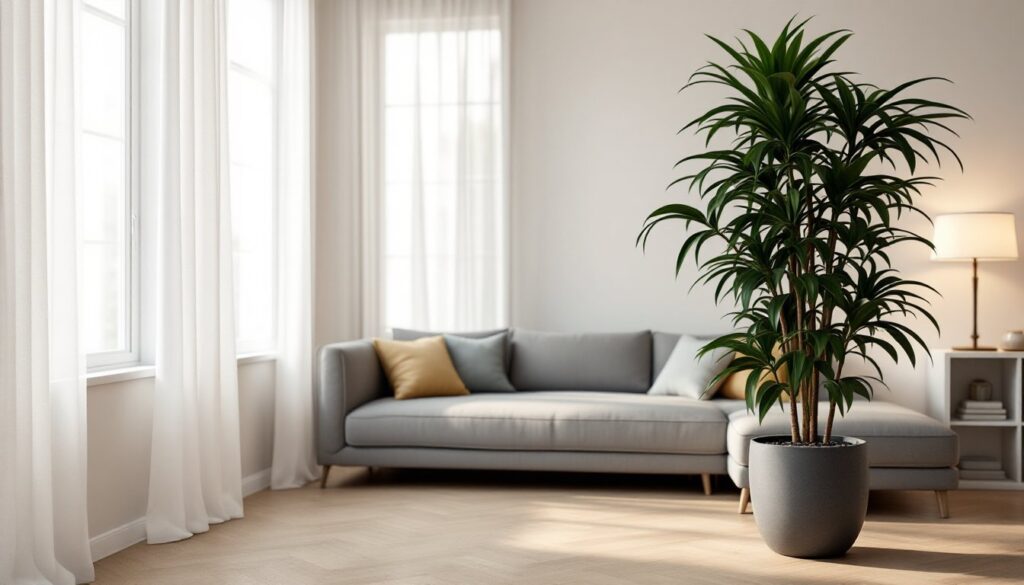
Contrast with Light Backgrounds: Dark foliage pops against white walls, light wood furniture, or pale tile. A single Raven ZZ in a matte white ceramic pot on a light oak console creates instant drama. Avoid placing black plants against dark walls, they’ll disappear.
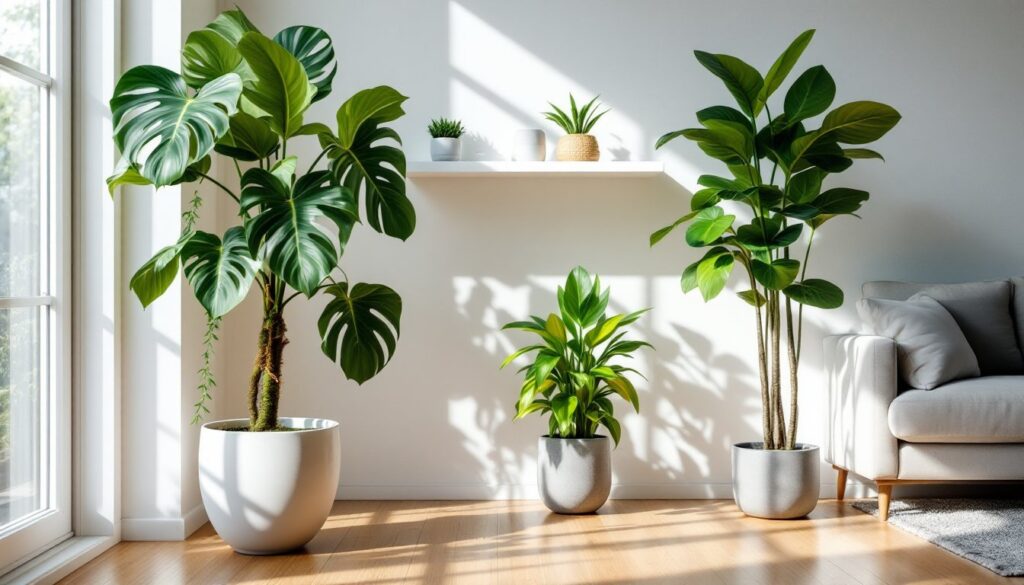
Groupings: Mix black plants with green or variegated varieties for contrast. A Black Velvet Alocasia paired with a trailing pothos or a silvery scindapsus creates depth. Vary pot heights and textures, ceramic, terracotta, woven baskets, to add visual interest without overwhelming the space.
Modern Minimalism: Black plants suit clean-lined, minimalist interiors. Use them sparingly as focal points rather than cluttering shelves. A tall Burgundy Rubber Plant in a simple concrete planter anchors a corner without competing with furniture.
Bathroom Humidity: If you have a bathroom with natural light, it’s ideal for humidity-loving black plants like Alocasia. The ambient moisture from showers mimics their native tropical environment. Mount a floating shelf near a frosted window for both light and privacy.
Outdoor Courtyards: In mild climates (USDA zones 9–11), some black plants like rubber trees can spend summer outdoors in shaded courtyards or patios. Acclimate them gradually to prevent shock, and bring them inside before nighttime temps drop below 50°F. This technique also works well for front-of-house plantings in protected areas.
Low-Maintenance Alternatives: If you’re not ready to commit to live plants but love the look, high-quality artificial black plants are an option. They won’t require watering or light, though they lack the air-purifying benefits of real foliage.
Lighting Design: Black plants look especially dramatic under directional lighting. A simple LED spotlight or picture light angled from above highlights leaf texture and creates shadow play on walls. This works particularly well with large-leaved varieties like rubber plants.
Black house plants aren’t just a trend, they’re a design tool. Used thoughtfully, they add sophistication and contrast that few other elements can match. Whether starting with a beginner-friendly Raven ZZ or diving into the challenge of a Black Velvet Alocasia, these plants reward attention with serious visual impact. For those expanding their indoor garden, exploring vining varieties or trendy specimens can complement the dark aesthetic. And if sourcing is a challenge, reputable plant retailers often stock these sought-after cultivars. The key is matching plant needs to your home’s conditions, and enjoying the moody elegance they bring to every room.